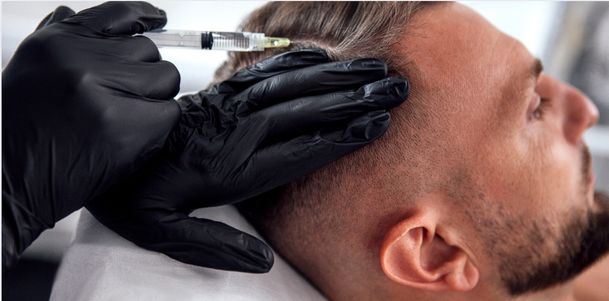
Hair transplant permanent results can be achieved due to the fact that the process involves the use of healthy hair follicles from the back or sides of the head. Such follicles tend to be sensitive to hair loss, and even after translocation, they grow. After transplanting, they act as natural hair and can last for years or even a lifetime. But the natural hair in the area can still thin in the long run because of genetic causes. This implies that in the future, some individuals might have to undergo more therapies to ensure they have a balanced appearance. Good scalp care, medical advice, and a healthy lifestyle may assist in safeguarding outcomes. Although there is no cure that will work to prevent aging, it is believed that a hair transplant is the most practical solution to pattern baldness in the long run.
How Hair Transplant Results Last
- Transplanted follicles are permanent: The hair on the back or the sides of the scalp is naturally resistant to hair loss; hence, the hair continues growing in the new location.
- Hair grows in normal cycles: Transplanted hair sheds and grows after healing, just like normal hair, according to the normal growing pattern.
- Results become stable over time: After several months, the transplanted hair often becomes long-term after it has grown fully.
- Proper aftercare protects grafts: The process of post-procedure care assists follicles to settle properly and enhances permanent outcomes.
- Natural surrounding hair may still thin: Genetic patterns of hair loss can still be experienced in non-transplanted hair.
- Maintenance treatments can help longevity: medicines or PRP may be used to support existing hair and keep overall density balanced.
- Healthy scalp supports long-lasting growth: Good scalp hygiene and nutrition help transplanted follicles stay strong.
Hair Transplant Permanent by Method
The outcomes of hair transplants are deemed permanent due to the fact that the transplanted follicles retain their originality to guard against hair loss. This is applicable to all large transplant techniques. The distinction between the methods only lies in technique and not in the duration of the hair.
- Permanent FUE Hair Transplant: FUE involves the removal of single follicles in non-affected regions and the insertion of them in the affected areas. Such follicles continue to grow lifelong in the new place. The small openings used in the extraction are closed, leaving little marks.
- FUT Hair Transplant Permanent: FUT Hair Transplant also relies on permanent hair of the nape of the head. On transplantation, these follicles continue growing in bald regions on a long-term basis. This procedure produces a slim linear scar, although the hair is permanent.
- DHI Hair Transplant Permanent: DHI is the implantation of healthy follicles directly with the help of a special tool. The hair that has been transplanted maintains its natural resistance to loss, as do other techniques. The outcomes are lasting provided that the follicles do not die and they heal adequately.
When Results May Change
- Natural aging continues: As you get older, surrounding non-transplanted hair may slowly thin, which can change overall density.
- Progressive hair loss pattern: Genetic hair loss can keep affecting untreated areas, making transplanted zones look less dense over time.
- Lack of maintenance treatment: Absence of maintenance therapy. Not taking supportive measures, such as medicines or PRP, can permit the prevailing hair to become weak.
- Poor scalp health: Dandruff, inflammation, or infection may impact the strength and appearance of the hair.
- Hormonal or medical changes: Health issues, stress, or hormonal imbalance may influence hair growth cycles.
- Improper aftercare in the early stage: In case grafts are not guarded during the healing process, not all transplanted follicles can survive.
- Lifestyle factors: Smoking, unhealthy nutrition, or extreme stress could influence the long-term quality of hair.
- Need for additional sessions: When the hair loss advances, there are those who prefer to have a touch-up so that they have uniform coverage.
Maintaining Long-Term Results
- Follow proper aftercare and scalp care: Soft washing, taking care not to hurt the scalp, and keeping the scalp clean are good ways of settling and growing transplanted follicles in the long run.
- Protect existing natural hair: Medicines or supportive treatments may be advised to slow thinning in non-transplanted areas and keep overall density balanced.
- Maintain a healthy lifestyle and nutrition: A good diet, low stress, and avoidance of smoking are some of the healthy lifestyle and nutrition habits that help maintain blood flow and hair strength as one gets older.
- Attend periodic medical follow-ups: Seeing the doctor can help track the condition of the hair and can provide early treatment in case the thinning continues in other regions.
- Keep scalp clean and healthy: Managing dandruff or irritation helps follicles stay strong and active.
- Manage stress levels: Long-term stress can affect hair cycles and increase shedding.
FAQs
Is a hair transplant permanent?
Yes, the hair that is transplanted is normally permanent. The follicles have been procured in regions where hair loss is naturally resistant; therefore, the follicles proceed to grow even after many years in the new location.
How long does a hair transplant last?
The follicles that are placed in transplantation are generally permanent. After several months, when full growth has been achieved, the hair is held stable in the long term.
Can hair loss continue after a transplant?
Yes, it is possible that natural hair surrounding the transplanted region even gets thin. This can alter the normal density despite the fact that the hair transplanted will be intact.
Will I need another hair transplant later?
Others will opt to have another session in the case of hair loss in other areas that are not treated. This is beneficial in even coverage during old age.
What can be done to increase the longevity of hair transplants?
Following aftercare, maintaining scalp health, and using supportive treatments if advised can help preserve both transplanted and natural hair.