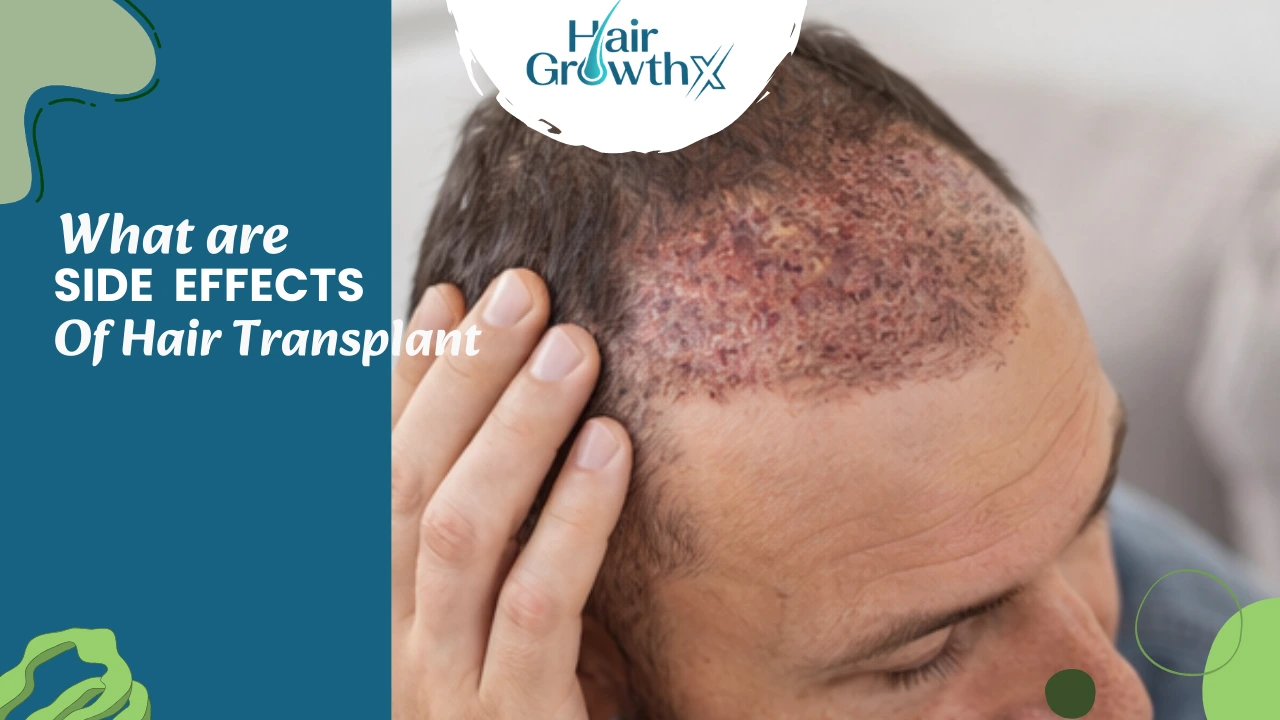
Hair transplant side effects on the sides are generally not serious, but a patient should be aware of them to ensure that they do not regret it after opting to undergo surgery. Swelling on the forehead, redness on the scalp, mild pain, or itching in the treated region are some of the common effects experienced by many people after a hair transplant procedure. Small scabs can also develop at the site of grafts, which exfoliate after one to two weeks. Also, temporary shedding of hair, referred to as shock loss, may occur before the production of new hair. Rarely, infection, bleeding, or non-uniform hair growth can take place in the case of the lack of proper care. The majority of the side effects are ameliorated by mere drugs and hygiene. The use of a qualified surgeon and instructions on aftercare may help to minimize the risks and allow healing and a successful long-term outcome.
Short-Term Side Effects After Hair Transplant
There is no need to worry that you are experiencing some changes in your scalp post hair transplant. They are primarily provisional and included in the healing. The majority of individuals just feel better in a couple of days to a couple of weeks.
- Swelling After Hair Transplant: Mild swelling on the forehead or around the eyes can happen during the first few days. It usually goes away on its own within a week. Keeping your head slightly elevated while resting can help reduce it.
- Redness and Scabbing on Scalp: The treated area may look red and form small scabs around the grafts. This is a natural part of healing. It is an instinctive aspect of healing. The scabs are normally shed in 7 to 10 days.
- Itching After Hair Transplant: Itching is common as the scalp heals. One should not scratch, though it is not comfortable. even if it feels uncomfortable. Your doctor may suggest a gentle spray or lotion to soothe the area.
- Mild Pain or Discomfort: Some people feel slight pain or tightness in the scalp after the procedure. This normally is light and is treated using prescribed or over-the-counter drugs.
- Temporary Numbness in Donor Area: You may feel numbness in the area where hair was taken. This is due to the fact that small nerves require time to heal. The sensation takes time to come back, within a few weeks.
Long-term or Rare Side Effects After Hair Transplant
The majority of hair transplantations heal without any critical issues. Nevertheless, other long-term effects may occur in isolated instances. They are not regular, but still, it is better to be aware of them in order to feel prepared.
- Shock Loss After Hair Transplant: Shock loss means temporary hair shedding after the procedure. It is capable of impacting the hair that has been transplanted and the surrounding natural hair. This normally occurs after a couple of weeks, and in most instances, the hair is regrown with time.
- Infection After Hair Transplant: The infection is not common, but it may occur in cases of a lack of proper aftercare. The signs can be swelling, pus, or severe pain. It can be treated at an early stage, and with medication, it can be managed within a short time.
- Scarring in FUT Procedure: In FUT, a linear scar may result from the removal of a thin piece of scalp that can result in some form of scarring. The scar is normally concealed by available hair. Unless healing is done correctly, the scar will show to some extent.
- Uneven Hair Growth: There are cases when hair does not grow evenly in all places where the transplant was done. This may initially make the result patchy. Growth also becomes better with time, or in several situations, it requires a minor touch-up.
- Cysts After Hair Transplant: Small cysts can form under the skin if hair follicles get trapped. They are more often than not minor and self-limiting. A physician can treat them easily if required.
Method-Specific Side Effects of Hair Transplant
A slightly different number of side effects may be associated with different hair restoration methods. A majority of them are not severe and are temporary, but when one gets knowledge of what to expect, the recovery process becomes less stressful.
- FUE Hair Transplant Side Effects: Under FUE, follicles used on a small scale are gouged out of the donor region. You may notice tiny dot-like scars, mild swelling, or temporary numbness. These marks are usually very small and fade as the scalp heals.
- FUT Hair Transplant Risks: FUT is a procedure where a thin strip of scalp is removed, and hence, it will be left with a linear scar at the back of the head. There can also be tightness or mild discomfort in the donor area. It has a slow healing process compared to other healing processes.
- DHI Hair Transplant Side Effects: With DHI, follicles are implanted directly using a special tool. Some people experience redness, slight swelling, or minor bleeding. The effects are most of the time short-term and fade away after a few days.
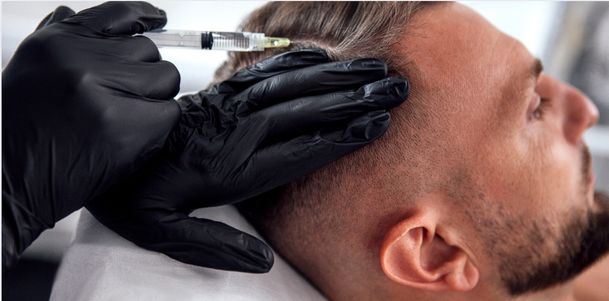
- PRP Hair Treatment Side Effects: PRP uses your own blood plasma to support hair growth. You might feel mild pain, swelling, or a headache after the injections. As it involves the use of your own blood, severe reactions are extremely low.
FAQs
Q: What are the side effects of a hair transplant?
A: The effects of a hair transplant are temporary and occur as your scalp heals. These can be swelling, redness, itching, or mild pain. The side effects are normal, and they disappear after a few days/weeks.
Q: Is hair transplant pain very serious?
A: No, the pain is usually mild. The majority of them experience minor pain or tension in the head, which can be treated using simple painkillers
Q: How long do side effects last after a hair transplant?
A: Common side effects like redness or swelling usually improve within 7 to 14 days. Certain consequences, such as numbness, might need several weeks to stabilize.
Q: Does transplanted hair fall out after surgery?
A: Yes, temporary shedding called shock loss can happen. It may look worrying, but in most cases, the hair grows back within a few months.
Q: Is infection common after a hair transplant?
A: When one takes good care, the chances of infection are minimal. Washing the head following the recommendation of your doctor can minimize this risk.
Q: Will there be visible scars after a hair transplant?
A: Small scars can occur, especially with the FUT method. They are, in most cases, concealed in the surrounding hair and thus do not appear easily.