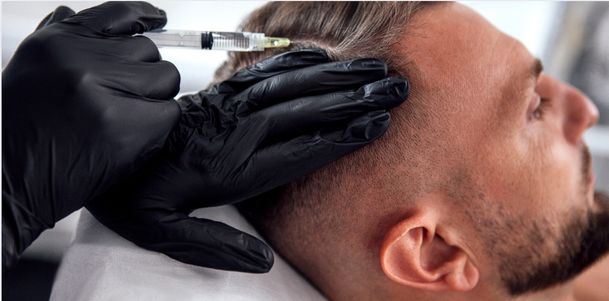
Natural hairline design is the first purpose of hair treatment. A natural hairline is the thing that makes your hair look natural and attractive. During a hair transplant procedure, the surgeon is concerned about the facial structure, size, and angle of the newly designed natural hairline for the customer. The design must match the person’s age, facial structure, and natural hair growth pattern. A well-planned hairline looks soft and irregular rather than straight or artificial. Proper spacing and direction of implanted hairs create a balanced and natural appearance. This step requires artistic skill along with medical expertise. A thoughtfully designed hairline ensures that results blend smoothly with existing hair and remain suitable even as the person ages over time.
Principles of Natural Hairline Design
A natural-looking hair transplant hairline follows facial features, age, and natural growth patterns. Proper planning ensures the result blends with existing hair and looks realistic over time.
- Age-Appropriate Hairline Placement: The hairline is positioned to suit the person’s age and their preference, considering their future hair loss pattern. They know what type of shape looks natural on you and lasts longer than a very low one.
- Face Shape and Hairline Planning: Hairline shape is designed to match facial proportions. For example, wider faces may suit a softer curved line, while longer faces may suit a flatter contour.
- Density and Angle of Hair Placement: Transplanted hairs are placed with natural spacing and angles to match surrounding growth. This creates realistic density and prevents an artificial look.
- Creating a Soft and Irregular Hairline: A natural hairline is not perfectly straight. Slight irregularity with fine single hairs at the front helps create a soft, gradual transition.
Natural Hairline Design in Different Techniques
Natural hairline design depends on both the transplant method and the surgeon’s precision. Each technique allows careful placement of follicles, but artistry and experience are what make the hairline look realistic and age-appropriate.
- Natural Hairline Design in FUE: In FUE, individual follicles are selected and placed one by one along the hairline. This allows the surgeon to use finer grafts at the front and control spacing, creating a soft and natural transition.
- Natural Hairline Design in DHI: DHI uses a direct implantation tool that places follicles at specific angles and directions. This helps achieve precise hairline shape and natural density, especially in delicate frontal areas.
- Role of Surgeon Skill in Hairline Results: Of course, the surgeon’s experience is going to help you feel confident about your hair transplant. The surgeon’s experience at the end will determine hairline shape, angle, density, and irregularity. Skilled design ensures the hairline suits facial features and ages naturally, avoiding an artificial or straight appearance.
Common Mistakes in Hairline Design
A well-designed hairline should look natural today and remain appropriate as a person ages. Mistakes in placement or density can make results appear artificial or difficult to maintain long-term.
- Hairline Placed Too Low: A very low hairline may look unnatural for the person’s age and face. It can also create future imbalance if the surrounding hair thins later.
- Unnatural Straight Hairline: A perfectly straight line does not match natural hair growth. Real hairlines have slight irregularity and softness at the front edge.
- Poor Density Distribution: If density is not planned gradually, the hairline may look patchy or harsh. Natural results need lighter density in front and fuller density behind.
Maintaining a Natural-Looking Hairline
A natural hairline blends smoothly with your existing hair and continues to look natural as you get older. Proper care and realistic planning are the keys to sustaining a natural hairline; the hairline stays soft, balanced, and age-suitable over time.
- Post-Treatment Care for Best Results: Gentle washing, avoiding trauma to the frontal area, and following medical advice help transplanted follicles settle well. Protecting the surrounding natural hair with supportive treatments also keeps the hairline looking even.
- How Hairline Matures Over Time: As a person ages, surrounding hair may slowly thin, and the face changes. A well-designed hairline remains slightly higher and soft-edged, so it continues to look natural rather than artificial or too low.
FAQs
Q: What is natural hairline design?
A: It is the planning and placement of transplanted hair to create a hairline that looks realistic, soft, and suitable for the person’s face and age.
Q: Why is natural hairline design important in hair transplant?
A: The hairline is the most visible part of the transplant. A natural design helps results blend with existing hair and look real.
Q: How is a natural hairline planned?
A: The surgeon considers age, face shape, hair loss pattern, and donor hair to decide the shape and position.
Q: Does a natural hairline look perfectly straight?
A: No, real hairlines have slight irregularity and softness. Small variations make them look natural.
Q: Is hairline density the same everywhere?
A: No, natural hairlines have lighter density at the front and fuller density behind for a gradual transition.
Q: Can a hairline be too low?
A: Yes, a very low hairline may look unnatural and may not suit aging changes over time.