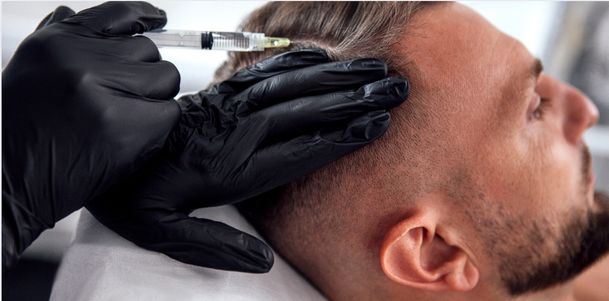
Permanent hair loss solution tends to be used with reference to those types of treatments that deliver consistent and lasting outcomes. A hair transplant is regarded as the most long-lasting procedure, as it transplants healthy and resistant hair follicles to the bald regions. The transplanted follicles continue to develop naturally over many years. Natural hair in the area of the treatment can, however, thin out with time. This is why there are individuals who use transplant surgery in conjunction with supportive therapy to preserve the overall density. Although there is no way to totally prevent aging or genetics, it can be managed in the long run with the assistance of a professional. Early intervention and scalp care enhance success rates and allow the scalp to be maintained to a natural appearance over a long period of time.

Medical Solutions for Permanent Hair Loss
Permanent loss of hair occurs when the follicles cease to produce any hair and they are no longer able to regenerate. The medical restoration strategies in these cases are aimed at the replacement of the lost follicles instead of merely stimulating them. The chief long-term solution is hair transplant procedures since they transfer permanent hair of donors to bald areas.
- Hair Transplant as a Long-Term Solution: A hair transplant replenishes the hair by moving healthy follicles from the healthy, stable areas to the permanently lost areas. These follicles retain their natural defiance to thinning, and therefore the outcome tends to last several years. It is regarded as the surest alternative in the case of severe hair loss.
- FUE Hair Transplant for Permanent Results: FUE extracts individual follicles and implants them into thinning or bald areas. The hair that has been transplanted grows naturally and permanently in its new position. It heals with tiny, less noticeable marks and provides long-lasting density.
- FUT Hair Transplant for Advanced Hair Loss: FUT removes a thin strip of donor scalp to obtain many follicles in one session. It is commonly selected on bigger bald areas due to its capability to offer more grafts. The transplanted hair is permanent; however, a linear scar might exist beneath the hair.
- DHI Technique for Natural and Lasting Growth: DHI is a technique where the follicles are implanted in the scalp directly with the help of a special implanter. This gives an accurate angle and direction, which produces the appearance of natural density. Similar to other techniques, the transplanted follicles continue to grow in the long run following healing.
Non-Surgical Support Treatments
Non-surgical therapies used in support of existing hair and overall density are helpful during or following medical surgery. They work by strengthening follicles, improving scalp health, and slowing ongoing thinning over time.
- PRP Therapy for Hair Strength: PRP delivers growth factors from your own blood into the scalp to nourish and stimulate follicles. It has the power to enhance the density of the hair, decrease the shedding, and encourage more robust development.
- Laser Hair Therapy for Hair Maintenance: Low-level laser light stimulates follicles and improves scalp circulation. The continued use could be useful to preserve hair density and prevent further thinning.
- Medicines That Help Control Ongoing Hair Loss: Drugs aid in curbing hormonal or genetic triggers of hair loss. They cushion the follicles and maintain the hair stability in the long term when taken regularly.
Choosing the Right Permanent Hair Loss Solution
A permanent hair loss solution is determined by the stage of hair loss, expectations, and long-term objectives. Knowledge of the crucial factors and expenditures is useful in making a wise and feasible choice.
Before Treatment: Factors to Consider.
- Extent of hair loss: The availability of healthy hair in the donor area is the basis of the success of the transplant.
- Donor hair availability: Transplant success depends on having enough healthy hair in the donor region.
- Age and future hair loss: Ongoing thinning risk should be considered to plan natural-looking long-term density.
- Desired density and coverage: Expectations about fullness influence method choice and the number of sessions needed.
- Medical suitability: Overall health and scalp condition affect treatment safety and healing.
- Recovery time preference: It has been observed that there are patterns of methods that require more time to heal, and this could be subject to planning of the daily routine.
Cost of Permanent Hair Loss Treatments
- Procedure type: Techniques like FUE, FUT, or DHI vary in cost due to complexity and time involved.
- Number of grafts needed: Larger bald areas require more follicles, increasing total treatment cost.
- Clinic expertise and location: Experienced specialists and advanced facilities may charge higher fees.
- Sessions required: There are individuals who require more than one session in order to attain the desired density.
- Supportive treatments: Long-term costs are compounded by the supportives such as PRP or medicines.
- Maintenance and follow-up: Future touch-ups or care sessions may be part of the overall expense.
FAQs
Q: What is a permanent hair loss solution?
A: It is a treatment that restores or replaces hair in areas where follicles no longer grow naturally, most commonly through hair transplant.
Q: Is a hair transplant the only permanent solution for hair loss?
A: Yes, transplant is the main method that replaces lost follicles with permanent donor hair. Supportive treatments are largely used to support existing hair.
Q: How does a permanent hair loss solution work?
A: The healthy follicles of the healthy parts of the scalp are transplanted to the bald parts to enable them to produce hair in the bald area.
Q: Who needs a permanent hair loss solution?
A: Individuals who have bald heads or lose hair and cannot grow naturally are good candidates.
Q: Are permanent hair loss results lifelong?
A: The transplanted hair normally stands the test of time as long as the hair around it thins with age.
Q: Can permanent hair loss be treated without surgery?
A: A non-surgical approach can delay the loss of hair and help sustain the remaining hair but cannot restore the permanently lost follicles.
Q: How do I choose the right permanent hair loss treatment?
A: An expert will analyze the stage of loss of hair, donor hair, and objectives to suggest the most appropriate.