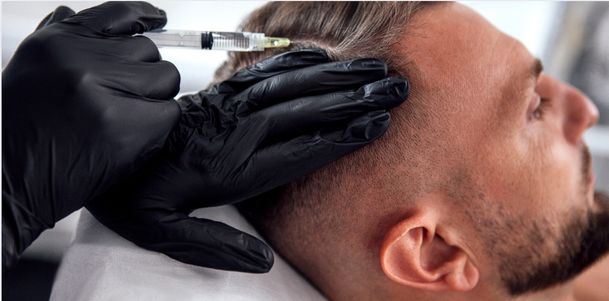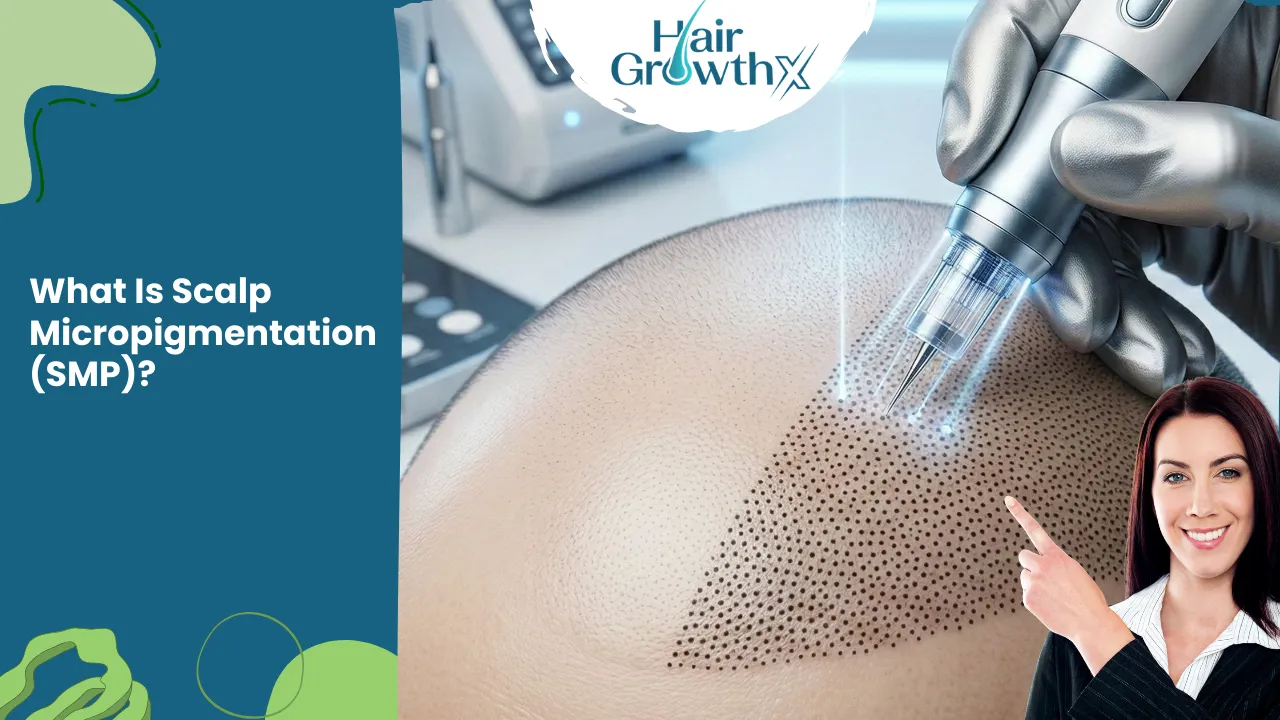
Scalp micropigmentation, also known as SMP, is a non-surgical method of creating the illusion that the scalp has more hair by placing tiny dots of pigment on the scalp. These dots are well matched to your natural hair color and hair pattern. Hence, they merge in and give an illusion of shaved hair or added density in the thinning parts. The individuals tend to use SMP in case they desire a defined, clean hairline or to even ease the contrast of the balding areas without undergoing surgery. It is achieved gradually and in a series of sessions, and this makes the outcome appear natural and balanced as opposed to abrupt. It does not even grow hair, but can alter the appearance of hair loss, which tends to give an unspoken confidence and contentment with your own reflection.
How Scalp Micropigmentation Works
- Step 1: Scalp assessment and planning
The practitioner studies areas of hair loss and comes up with a natural pattern of hairline and density. - Step 2: Shade and pigment selection
The color of the pigment is selected according to the natural hair and scalp tone of the individual who owns it. - Step 3: Scalp preparation
The scalp is washed and made ready so that the pigments can be put in place. - Step 4: Microdot application
Tiny pigment dots are placed into the upper scalp layer to mimic hair follicles. - Step 5: Layering for density
Several layers are made to create a natural depth and volume. - Step 6: Healing and settling
It takes several days to heal, and the scalp takes on a realistic look. - Step 7: Follow-up session
Other sessions perfect the shape, color, and density of the final product.
Benefits of Scalp Micropigmentation
- Creates the look of fuller hair: Small dots of pigment lower the contrast on the scalp and make it look as though it is more dense.
- Non-surgical solution: There is no need to make incisions, no need to have grafts, and no need for hair removal procedures.
- Immediate visual improvement: Scalp coverage looks fuller right after sessions compared to waiting for hair growth.
- Works for various hair loss stages: Different stages of hair loss: They can be used with thinning hair, baldness, or scar concealment.
- Low maintenance: When it heals, it requires regular touch-ups over time.
- Natural-looking results: Pigment is matched to hair color and applied in realistic follicle patterns.
- No downtime: The majority of individuals are back to their normal routine within a short period of time after every session.
- Long-lasting effect: The impact may take years before it takes effect.
Recovery and Growth Timeline: Scalp Micropigmentation (SMP)
Scalp micropigmentation does not entail hair growth, yet the scalp requires time to heal, and the pigment requires time to settle. The obvious outcome is realized shortly, and it becomes slightly softer with the process of healing.
- First 1 to 3 days: Mild redness and sensitivity may be present as the scalp begins healing.
- 3 to 7 days: Small scabs or dryness may occur and begin to peel off by themselves.
- 1 to 2 weeks: The head appears to have healed, and the pigment is less pigmented and more natural.
- 3 to 4 weeks: Pigment fully settles, and true color becomes visible.
- 4 to 6 weeks: This may be done to ensure density and shade are perfected.
- Long term: The outcomes last several years, and the outcomes are occasionally touched up to stay in tune.
FAQs
Q: What is scalp micropigmentation (SMP)?
A: It is cosmetic therapy where small dots of pigments are applied on the head to give the appearance of having more hair.
Q: How does SMP improve hair appearance?
A: The pigment decreases the visibility of the scalp and resembles the appearance of natural hair follicles of hair, making hair appear thicker.
Q: Is SMP the same as a hair transplant?
A: No, SMP does not grow hair. It merely produces the illusion of shaved hair or fuller hair.
Q: Who is suitable for SMP?
A: It will fit individuals with thin hair, bald spots, or scars on their scalps who desire more coverage.
Q: How long does SMP last?
A: The results of this are typically several years long, with some touch-ups to keep the color.
Q: Is SMP safe for the scalp?
A: Yes, when done by a trained professional using proper pigments and hygiene.