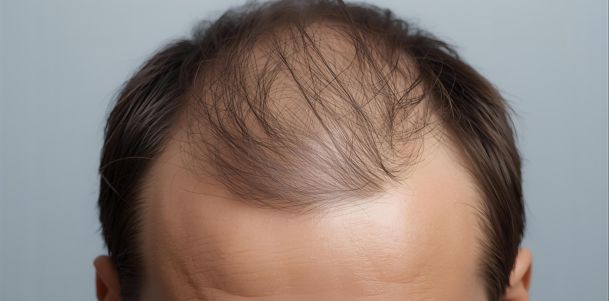
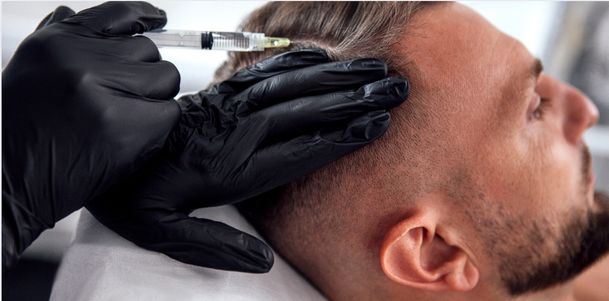
Comparing Recovery and Results of FUE, FUT, and DHI Hair Transplants
Recovery Time Differences
FUE and DHI are typically less invasive, resulting in quicker recovery times, and FUT might take a bit longer healing because of the linear donor site.
Scarring and Healing
The scarring is usually very small and unnoticeable with FUE and DHI, whereas FUT can leave a linear scar along the donor area that may be visible in the area with shave hairstyles.
Level of Discomfort
Patients undergoing FUE and DHI often report less post-procedure discomfort compared to FUT, which may involve more healing sensitivity in the donor area.
Naturalness of Results
DHI is known for precise implantation; FUE offers highly natural results with good density; and FUT also provides natural outcomes when performed correctly.
Graft Yield and Coverage
FUT can sometimes provide a higher number of grafts in a single session, while FUE and DHI focus more on precision and targeted coverage.
Overall Suitability
Some of the other methods available are FUE or DHI, which are better suited for smaller areas or cosmetic improvement, or FUT, which might be suitable for more extensive hair loss in cases where more grafts are needed.
FUE hair transplant or FUT outcome and recovery time varies from DHI hair transplant. This will be based on hair loss, donor hair quality and hair goals. With a good consultation with an expert, the proper technique to get the most natural and lasting results, in the long run, will be determined.
Which Hair Transplant Method Is Best for Hair Density?
FUE is highly favored for giving natural density, as each hair graft is placed precisely where it is needed for coverage.
In more severe hair loss situations, FUT can offer a greater quantity of grafts in a single procedure.
- DHI for High Precision Density
DHI provides very controlled implantation with help of tools for the implanter, enabling the implementation of denser and more densed looking grafts, as they can be placed closer together.
- Combination Approach for Best Results
Sometimes, experts use multiple methods such as FUE and DHI in order to achieve better coverage and density.
- Depends on Individual Hair Loss Condition
The best density will depend on the strength of the donor area, level of hair loss, and the objective and will differ from person to person.
Finally, each of these three techniques – FUE, FUT, and DHI – provides a good level of hair density, with the choice depending on individual requirements. A consultation with a hair specialist makes sure the correct technique is used to make sure it is as natural and dense in appearance as possible.
Differences Between FUE, FUT, and DHI Hair Transplant Methods
- FUE (Follicular Unit Extraction)
During FUE, the follicles are individually extracted from the donor area and then placed in the area of hair thinning or hair loss. Not linear and very low impact, they offer a more natural look and faster healing.
- FUT (Follicular Unit Transplantation)
In FUT, the donor’s skin is cut and then the hair grafts are detached from the skin and transplanted. This can be used for patients requiring numerous grafts at one time.
- Direct Hair Implantation (DHI).
The follicles are carefully and accurately handled by a special implanter pen, and inserted into the recipient area without any incisions. This enables the exact control of angle, depth and direction of hair placement. - Technique Differences.
The main difference lies in the extraction and implantation techniques: The strip method is for FUT, the individual method is for FUE and the DHI method focuses on direct implantation with the latest tools. - Scars and healing.
In general, FUE and DHI leave very little scarring and take up less time to recover from, while FUT may have a linear scar but yields more grafts.
The primary difference between FUE and FUT and DHI is in the method of application, recovery, and handling of the grafts. This will be determined by the individual’s degree of hair loss, the health of the donor area, and the individual’s desired appearance, and should be determined by a knowledgeable professional.
FUE Hair Transplant: Step-by-Step Procedure
- Consultation and Hair Analysis
The process begins with a detailed consultation where the specialist examines your scalp, hair loss pattern, and donor area to create a customized treatment plan. - Donor Area Preparation
The donor area (usually the back or sides of the head) is shaved and cleaned to prepare the area for the removal of hair follicles. - Local Anesthesia
Both areas for donation and receiving are numbed with local anesthesia for a painless and comfortable procedure. - Hair Follicle Removal:
Hair follicles are extracted using a micro punch in order to minimize the injury to surrounding skin. - Grafting of plants
Grafts removed are picked up and stored in a special solution so that they remain fresh and viable. - Recipient Site Creation
The hair-thinned or balding area is accessed through small incisions in a direction and density pattern of hair. - Implantation of Grafts
They are then gently reinserted at the recipient site, where they continue to grow as they did at their original site. - Post-Procedure Care
After the procedure, the scalp is washed, and the instructions are provided for postcare so that recovery and regrowth can be facilitated.
With the hands of an expert hair transplant surgeon, the FUE hair transplant procedure is a very structured and less invasive one that ensures natural results and longevity.
Related Post
hair transplant in Kokane Chowk
hair transplant in karyalay chowk
hair transplant in sangvi
hair transplant in Baner Balewadi
hair transplant in Nigdi