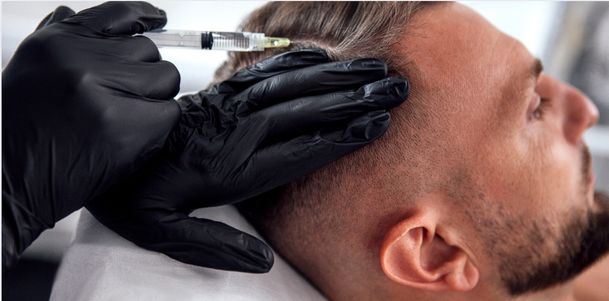
Non-surgical hair restoration is hair restoration that enhances hair growth without any surgery. The approaches are aimed at enhancing hair follicles and delaying hair loss. The most common ones comprise drugs, PRP, laser, and the use of specialized scalp treatments. These medicines are designed to enhance the blood flow, reduce inflammation, and promote healthy hair growth. Non-surgical restoration is normally a series of sessions and continued management to sustain results. It is most appropriate for those who lose their hair at a very young age, as opposed to being bald. Reduced recovery time and reduced risk (compared to surgery) are two of the great benefits. A professional evaluation helps determine the most suitable approach based on hair type and scalp condition.
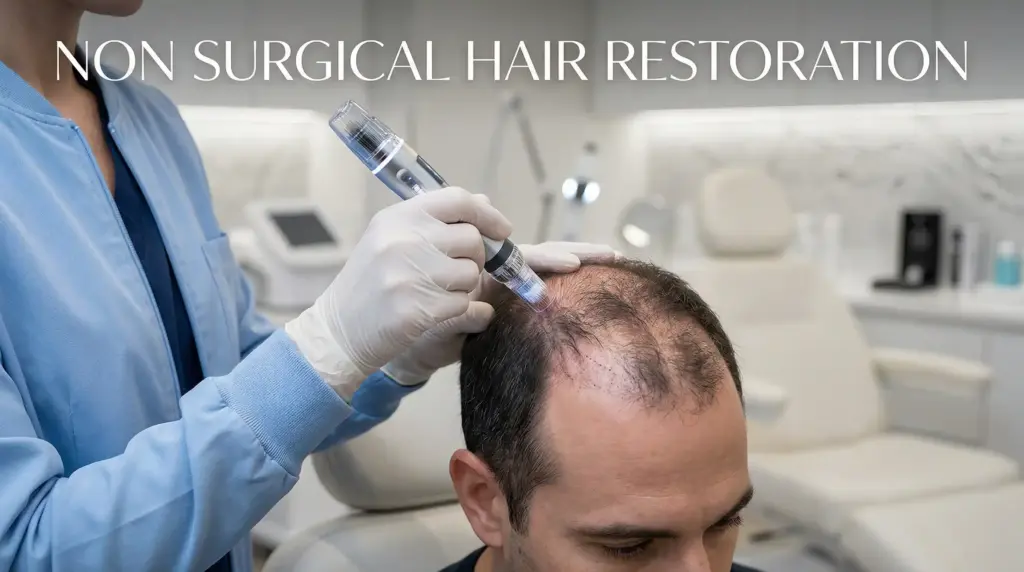
Types of Non-Surgical Restoration – Treatments
Cosmetic hair surgeries or non-surgical treatments are used to enhance the appearance of hair and reduce hair loss without skin grafting. There are those techniques that boost follicle growth, whereas others enhance the density or scalp coverage. The decision is based on the level of hair loss and objectives.
- PRP Hair Treatment: PRP involves the utilization of your own blood growth factors that are injected into your scalp. It has the ability to activate follicles, minimize shedding, and enhance the thickness of hair in the long run.
- Laser Hair Therapy for Hair Growth: Low-level laser light stimulates follicles and improves scalp circulation. Frequent appointments might contribute to making hair stronger as well as denser over time.
- Medicines for Hair Loss Treatment: Health care interventions can be used to manage the causes of hair thinning, particularly hormonal causes. They can slow loss and support regrowth when used consistently.
- Hair Growth Serums and Topical Solutions: Topical products contain nutrients or peptides that support scalp health and hair strength. They can enhance the feel and decrease the breakage by using them regularly.
- Scalp Micropigmentation: This cosmetic method uses tiny pigment dots on the scalp to create the look of fuller hair. It does not regrow hair but improves visual density and coverage.
Benefits of Non-Surgical Hair Restoration
Non-surgical hair restoration provides methods of dealing with the thinning of hair without performing a transplant. These treatments aim at reinforcing the already existing hair, improving the condition of the scalp, and also improving the appearance with minimum disturbance to normal life.
- No surgery or incisions: Treatments avoid cuts, stitches, or grafting procedures, making them less intimidating.
- Minimal discomfort: The majority of treatments, such as topical solutions, PRP, or laser treatment, do not entail minimal or no pain.
- Little to no downtime: The individuals can resume normal operations after every session or application.
- Supports natural hair growth: Many methods stimulate existing follicles to grow thicker, healthier strands.
- Gradual, natural-looking results: The enhancement is seen gradually with the natural hair.
- Suitable for early hair thinning: Appears to be the best choice when a person has just lost some hair, and the follicles are not lost yet. This is the case when hair is still active and the loss has not become complete.
- Can combine multiple treatments: The diverse non-surgical techniques can be employed concurrently to enhance their efficacy.
- Lower risk compared to surgery: Side effects are usually mild and temporary when done properly.
How Long Do Non-Surgical Hair Treatments Take to Work
Non-surgical hair treatments work gradually because they support the natural hair growth cycle. Hair follicles need time to respond, so visible change does not happen immediately. Early signs often begin with reduced shedding.
- 4 to 8 weeks: Hair fall may begin to reduce as follicles start responding to treatment.
- 3 months: Early regrowth may appear as fine, soft new hairs in thinning areas.
- 4 to 6 months: Slowly, hair strands can become thick, and general density is enhanced.
- 6 to 12 months: More noticeable fullness and coverage can be seen with consistent use.
- Beyond 12 months: Ongoing treatment helps maintain results and prevent further thinning.
FAQs
Q: What is non-surgical hair restoration?
A: In non-surgical hair restoration, it contains procedures that enhance hair growth or hair appearance without transplantation surgery, like PRP, medications, laser, or scalp micropigmentation.
Q: Who is suitable for non-surgical hair restoration?
A: People with early to moderate hair thinning, which has active follicles, are best treated with it.
Q: Does non-surgical hair restoration regrow hair?
A: Some ways trigger follicles to grow hair, and others enhance the density of the visual region, but the hair is not growing.
Q: Is non-surgical hair restoration permanent?
A: Results last with continued use or maintenance. Discontinuation of treatment can permit the growth of hair to regrow.
Q: Is non-surgical hair restoration safe?
A: When administered under reasonable instructions and supervision, most of the methods are safe with mild and temporary side effects.
Q: How long do non-surgical hair results take to appear?
A: It normally takes several months before visible improvement is seen, as hair grows in a cycle.